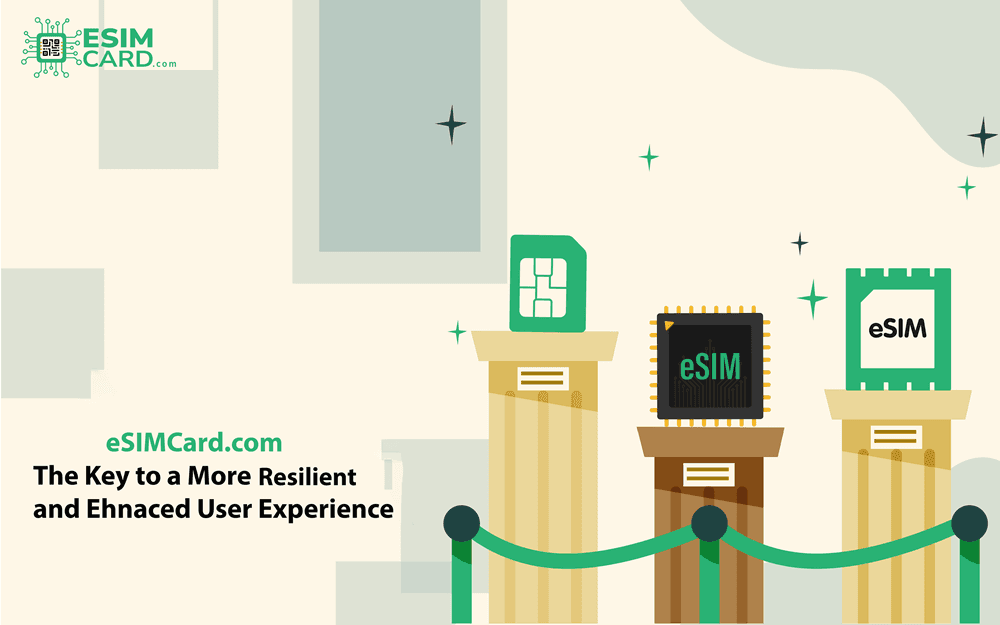
eSIM (embedded Subscriber Identity Module) technology plays a key role in mobile digitization by enabling seamless connectivity and simplifying the process of switching between mobile network operators. Here are some ways in which eSIM contributes to mobile digitization:
- Remote SIM Provisioning: With eSIM, the traditional physical SIM card is replaced by a programmable SIM that can be remotely provisioned with the necessary network credentials. This eliminates the need for physical SIM cards and enables the activation of mobile services over the air. Users can easily download and install the necessary SIM profiles from their mobile network operator, making it more convenient and efficient.
- Device Flexibility: eSIM technology allows for greater device flexibility. Instead of being tied to a specific carrier, users can switch between multiple network operators without having to physically change the SIM card. This enables users to choose the best network provider based on factors such as coverage, pricing, or data plans, giving them more control and freedom in their mobile connectivity.
- Dual SIM Functionality: eSIM enables dual SIM functionality on smartphones and other connected devices. Users can have multiple active SIM profiles on a single device, allowing them to have separate personal and business lines or use local SIMs while traveling internationally. This feature enhances convenience and eliminates the need to carry multiple devices or physically swap SIM cards.
- IoT Connectivity: eSIM technology is crucial for the Internet of Things (IoT) ecosystem. It simplifies the process of connecting and managing IoT devices by eliminating the need for physical SIM cards. IoT devices, such as smartwatches, connected cars, or smart home devices, can be easily provisioned and managed remotely using eSIM technology, reducing complexity and enhancing scalability in IoT deployments.
- Enhanced Security: eSIM provides enhanced security compared to traditional SIM cards. The programmable nature of eSIM allows for more robust encryption and authentication mechanisms, making it more difficult for unauthorised access or SIM card cloning. This contributes to improved data security and protects against fraudulent activities.
- Reduced e-Waste: As eSIM eliminates the need for physical SIM cards, it helps reduce electronic waste generated from the production and disposal of plastic SIM cards. This aligns with the sustainability goals of mobile digitization by promoting a more environmentally friendly approach to mobile connectivity.
Overall, eSIM technology plays a crucial role in mobile digitization by simplifying connectivity, enabling device flexibility, enhancing IoT deployments, improving security, and contributing to environmental sustainability. It empowers users with more control over their mobile connectivity and supports the seamless integration of mobile devices into the digital ecosystem.