Search
Emma Sky
25 Feb 2026
Valencia is the third-largest city in Spain, known to tourists for its historic sights, beaches, and diverse cuisine. Valencia is one of the most beautiful cities to visit, but you should know the best things to do to avoid missing out on your top priorities.
International travelers can experience the unique mix of Mediterranean coastlines, historic streets, and modern culture. Valencia is the only city that has both traditional and modern offerings to suit every tourist's style.
To avoid missing the city's eye-catching moments, this guide outlines the best things to do for tourists. In the guide, I will discuss Valencia's hidden gems, like top attractions, authentic food and drinks, and cultural sites.
4.9

Highly Rated
Based on 500,000+ customer reviews

Trusted worldwide
Over 1 million travelers across the globe have trusted us

Travel Friendly
No swaps, global connectivity ensured
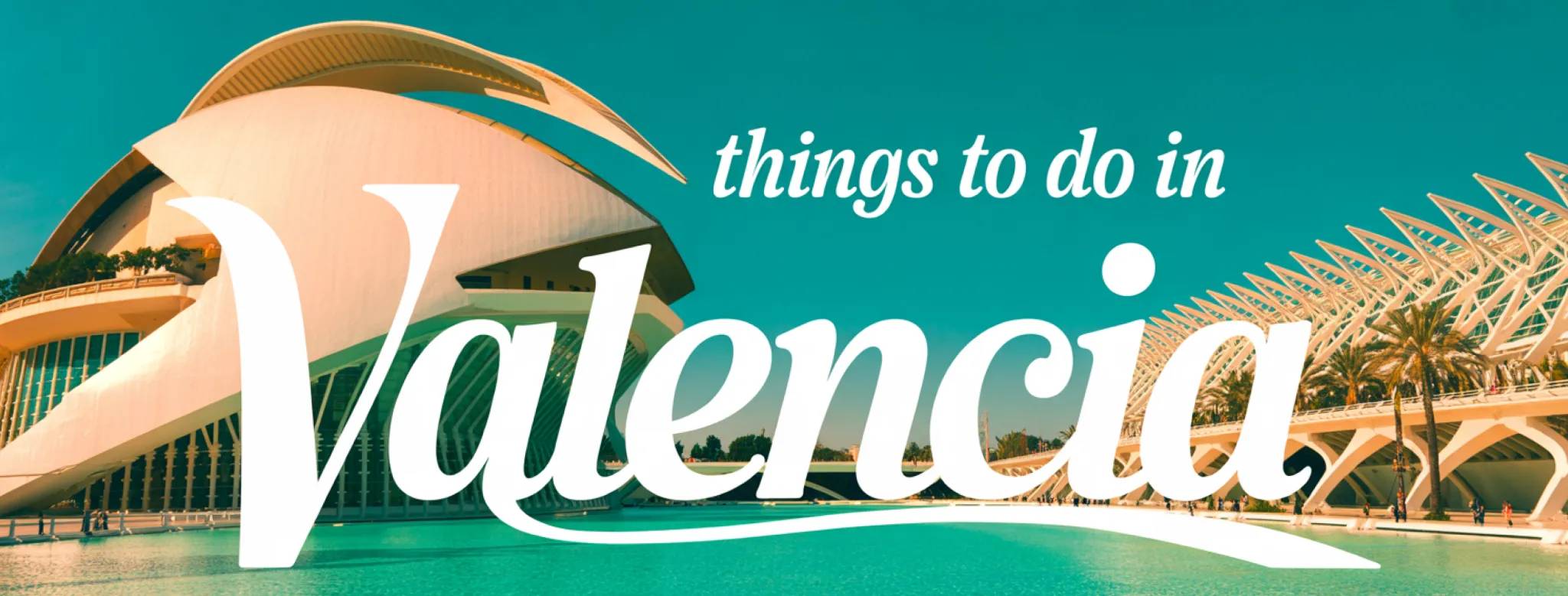
Valencia's "Big Three" represent a perfect architecture, historic charm, and Mediterranean lifestyle. The famous places in Valencia, Spain, are the City of Arts and Sciences, the Central Market, and the Turia Gardens for a diverse experience.

The City of Arts and Sciences (Ciudad de las Artes y las Ciencias) is an architectural masterpiece. For history enthusiasts, it is a must-see spot and is considered the top tourist attraction in Spain.
The masterpiece was designed by Santiago Calatrava and Félix Candela and is located nearly two kilometers along the former Turia riverbed. The City of Arts and Sciences is highly photogenic and worth a visit in itself.
The best time to visit the complex is at sunrise, sunset, or in the evening by walking. During your visit, don’t miss the Umbracle and the dramatic angles of the Hemisfèric. You can enter the Science Museum's ground floor for free to see temporary exhibits, shops, and architecture.
Tip: Don't pay for the Science Museum unless you have kids; visitors report that the exterior architecture is the real highlight, rather than the interior.

Valencia Central Market (Mercado Central) is the most popular attraction for travelers. It is considered one of Europe's largest fresh produce markets. The market is located in the city center, near other top sites such as La Lonja (Silk Exchange).
This is the masterpiece of early-20th-century Valencian Modernism, now the city's busiest hub. The market is open Monday to Saturday and features 1,200+ stalls selling local products such as cured meats, cheese, and spices.
The best time to visit the place is before 11 am to avoid the crowd. But if you want to buy the fresh horchata (or orxata in Valencian), visit the market at 9 AM. You can buy the most famous and delicious Jamón Iberico here for a picnic in the park.
The top thing to do in Valencia is to enjoy the city by cycling through the Turia Gardens, a 9-kilometer park in a former riverbed. It is the best way to connect the city's culture and nature.
Valenbisi rentals (cycling service) make it easy for you to roam around the flat route of the Cabecera Park to the City of Arts and Sciences.

The cycling route includes the City of Arts and Sciences, the Gulliver Park, the Palace of Music, and landscaped areas. The best time for riding is on weekends, but if you want a quieter experience, visit in the early mornings or on weekdays.
One of the must things to do in Valencia, Spain is to try the authentic food and drinks. Food in the city centers on its agricultural, Mediterranean heritage, with Paella Valenciana cooked over wood fires.
The key dishes you should try include arròs negre (squid-ink rice), Fartons, Bunyols (during Fallas), and esgarraet. Similarly, some drinks include horchata de chufa and the citrusy Agua de Valencia cocktail.
Cooking healthier, tastier food in Spain follows certain rules. You may have heard of the Golden Rule of Paella; it emphasizes that the chefs never stir the rice once it is added to the pan. Paella is ideal for a lunchtime slow-cooked dish, rooted in history.

For a truly authentic experience, the recommended spots are Casa Carmela or El Palmar Village. At these spots, it is cooked over a wood fire and served in the rustic setting.
Warning: Never eat Paella for dinner; it is a mid-day dish. Eating it at night is avoided for cultural and dietary reasons.
Agua de Valencia is an iconic drink made with fresh Valencian orange juice, cava, gin, and vodka. The cocktail history dates back to 1959. It has a strong flavour which gives a unique experience.
The top-rated spot to try the drink is:

Warning: Despite the drink being sweet, citrusy, and light in taste, it is strong.
Never forget to enjoy Horchata and Fartons while sightseeing. Horchata is made up of nuts, water, and sugar and tastes best when served very cold. Similarly, Fartons soft, sugar-glazed pastries are eaten dipped in horchata.
The top Spots for travelers to Try Horchata and Fartons include:

The Ruzafa (Russafa) district is a neighborhood in Valencia, Spain. Here you will experience a high concentration of cafes, vintage shops, and a vibrant multicultural population.
Ruzafa is the centre of Valencia's coffee scene. You can find cafes serving brunch, ideal for a relaxing remote-work vibe. The streets have a variety of vintage boutiques, second-hand clothing shops, and specialized art shops.
El Carmen is a must-visit in the Valencia neighborhood. The spot is ideal for travelers to explore medieval streets and high-quality street art. You can see stunning historic medieval city gates, such as the Torres de Serranos and Torres de Quart.
The area is filled with a mix of boutiques, traditional shops, cozy cafes, and lively, outdoor bars.
Las Fallas in Valencia is a UNESCO-recognized festival. The festival offers a blend of art, satire, and fire. In 2026, the Las Fallas festival will run from March 1 to 19. It features the spectacular daily "Mascletà" pyrotechnic show at 2 PM in the Plaza del Ayuntamiento.
In Valencia, the best thing to do is explore the stunning, relaxing places on day trips. The top scenic spots include Albufera Natural Park, Roman ruins in Sagunto, and the Port Saplaya. Some other must-visit spots include the hilltop castle in Peñíscola and the town of Altea.
Albufera Natural Park is located 10 km south of Valencia. It is the most breathtaking and relaxing spot with a biodiversity hotspot. Albufera is actually the birthplace of authentic Valencian paella.
You can easily visit the place via the #24 or #25 bus, which costs approximately €1.50. Travelers can also take a boat ride and enjoy scenic sunset views.
Port Saplaya is a coastal village in Alboraya, featuring colorful houses and two sandy beaches. It is also known as the "Little Venice" of Valencia, which is located in northern Valencia. It is an ideal spot for a day trip with a relaxed atmosphere.
You can use a bus, a taxi, or the Suwbay service to visit your favourite spot across the city. However, as an international traveler, student, or nomad on a tight budget, it will cost you more. You can reduce the costs up to 50% with the SUMA10 Card.
The SUMA is a rechargeable card, valid for 10 journeys across multiple modes. Travel with a card costs approximately €8, plus a €1 fee for the initial cardboard card.
It works across major public transport modes, including metro and tram, red city buses, MetroBus, and local commuter trains. You can buy the card from automatic vending machines or authorized kiosks.
Note: You need Google Maps to find the bus routes. Ensure you download the travel apps on your phone for effortless travel.
For a frequent traveler, an internet connection is essential for staying connected. The connection is not just required to scroll through Instagram, you need it to operate your travel apps, VoIP apps and the Valenbisi (City Bikes) app in Valencia.
Data roaming and local SIM cards are not sufficient to provide excellent network coverage in Spain. Roaming costs high charges, and local SIMs provide a weak connection. The ideal solution for seamless connectivity in Valencia is the Spain eSIM.
eSIMCard is a global network carrier that offers eSIM plans for international travel. The carrier ensures a seamless network connection to 200+ destinations. You can get the Spain eSIM for data-only or data, voice, and text services.
You can purchase the eSIM online or download the app for Android or iOS. The carrier will send you the activation details, like the SM-DP+ address, QR and activation code, to set up eSIM.
You can activate eSIM with just a QR code scan to get the fastest mobile data in Spain. You can set up the eSIM before your trip.
Note: If you are traveling across a region, buy the eSIMCard Europe eSIM to stay connected without any border limitations.
Valencia, Spain, is the best city to visit for international travelers. The city has diversity; you can experience the relaxing spots, historical sites, stunning architecture, the best cuisine, and excellent atmosphere.
For travelers, there are multiple things to do, like visiting the major places such as the City of Arts and Sciences, the Central Market, and the Turia Garden. You can try the famous cuisine like arròs negre, Fartons, Bunyols, horchata de chufa and Agua de Valencia.
The SUMA 10 card is worth it for travelers' transportation to avoid the high charges. Similarly, buy a Spain eSIM to access data and avoid getting stuck at the airport after landing.
Valencia is an affordable destination for travelers. Compared to Madrid or Barcelona, the city offers better pricing. A daily mid-range budget for travelers is approximately €80- €120.
Yes, tap water in Valencia is safe to drink. But you experience the bad taste due to the high mineral content. Locals use filters or bottled water to improve the taste.
The Valencia Tourist Card is worth it if you are planning to use public transport. The card allows airport transfers and visits to multiple city museums.
4.9

Highly Rated
Based on 500,000+ customer reviews

Trusted worldwide
Over 1 million travelers across the globe have trusted us

Travel Friendly
No swaps, global connectivity ensured
With eSIM Card, you can save 100% on roaming fees