
Emma Sky
13 May 2026
Best Time To Visit Banff: A Seasonal Guide to Canada's Crown Jewel
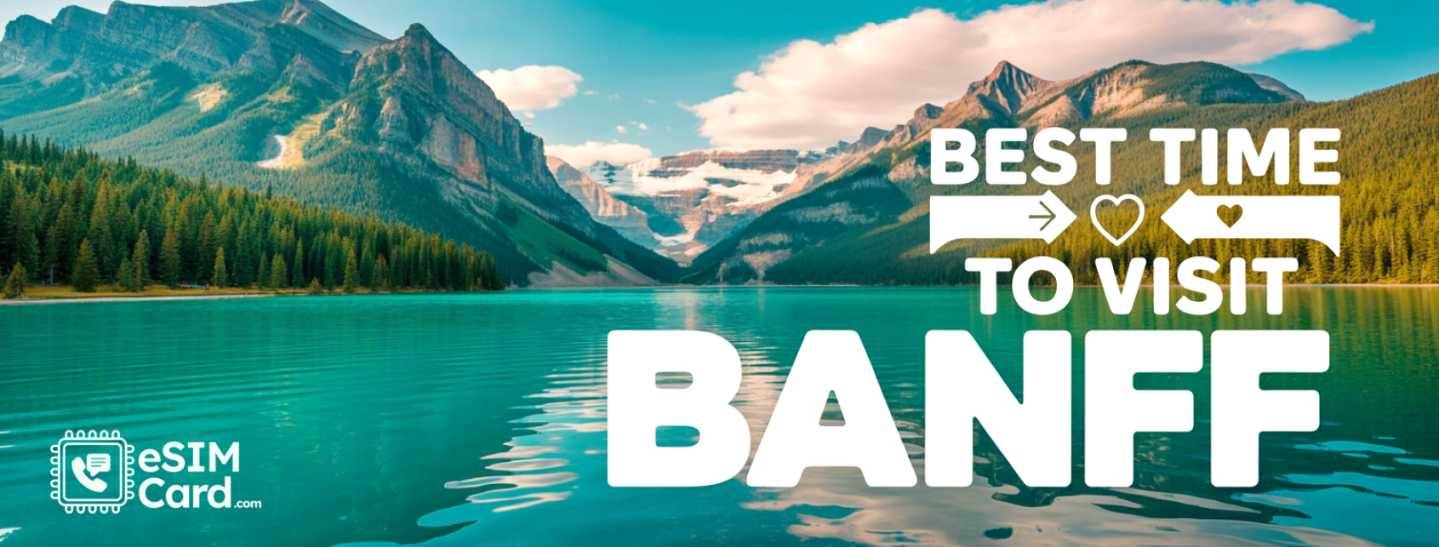
Banff sits right in the Canadian Rockies. The air changes. You feel it immediately. Mountains demand your absolute attention.
You will see snow-draped peaks and turquoise alpine lakes. Golden larch trees stand out in autumn. Three world-class ski resorts operate nearby.
Banff operates as a year-round destination. The park rewards visitors every single month. It just offers different experiences. Your ideal visiting time depends entirely on your planned activities.
4.9

Highly Rated
Based on 500,000+ customer reviews

Trusted worldwide
Over 1 million travelers across the globe have trusted us

Travel Friendly
No swaps, global connectivity ensured
Winter: December to February
Banff means serious business for snow lovers in winter. Temperatures drop to minus fifteen degrees Celsius. The entire park transforms into a playground.
Skiers and snowboarders flock here. Ice climbers scale the frozen waterfalls. Three main ski resorts operate in the area.
You can choose Banff Sunshine, Lake Louise Ski Resort, or Mt. Norquay. Each location offers a unique experience. Beginners find perfectly groomed runs. Experts tackle steep backcountry terrain.
Winter Activities
Hit the slopes at Lake Louise Ski Resort and Sunshine Village. These locations stand as two of Canada's finest mountains.
Walk the frozen canyon walls at Johnston Canyon. You will not forget this ice walk. It provides a highly unique experience.
Soak in the Banff Upper Hot Springs. Snow falls around you. The air stays cold outside. The water feels warm inside. You will appreciate every single minute.
Attend the Lake Louise Ice Festival in January. Skilled carvers create enormous ice sculptures on the lakeshore. The SnowDays Festival runs for twelve days in late January.
Banff's streets fill with snow sculptures and live events. New Year's Eve brings sleigh rides to Banff Avenue. Winter feels alive here. It never stays quiet.
Spring: March to May
Travelers often underrate spring in Banff. Snow melts slowly at lower elevations. High peaks stay completely white.
Rivers run fast and loud with glacial melt. Wildflowers appear in the green meadows. Bears wake up from hibernation.
They start appearing along Bow Valley Parkway. This road acts as a massive wildlife corridor.
Spring Activities
Watch for bears and elk calves along Bow Valley Parkway. Early morning provides your best viewing window.
Hike Tunnel Mountain. You will encounter far fewer people than in summer. Park staff open the trail early in spring. It gives strong views over the Bow Valley.
Visit Lake Minnewanka. The ice breaks up gradually. The water shifts from grey to bright turquoise.
Budget travelers do exceptionally well in spring. Hotel rates drop significantly. Restaurants feel much less packed. You get the town almost to yourself.
You face a simple tradeoff. Some higher trails open later in June. Check trail conditions before you plan anything above the treeline.
Summer: June to August
July and August act as the busiest months in Banff. Good reasons exist for this. Temperatures hit a comfortable twenty-five degrees Celsius.
Days stretch long into the evening. Park rangers open every single trail. Moraine Lake hiking paths become fully accessible. Banff performs at full capacity right now.
Summer Activities
Hike the Plain of Six Glaciers trail. You start this route from Lake Louise. It stands out as an iconic Canadian path. You end the trek at a historic teahouse.
Rent a canoe on Moraine Lake. Ten towering peaks reflect off that water. Photos cannot capture it properly. Go early. Beat the massive crowds.
Drive the Icefields Parkway. People consider it a top scenic road globally. It stretches roughly 230 kilometers from Banff up to Jasper.
Celebrate Canada Day on July first in town. You will see parades and street events.
You must book accommodation months in advance for a summer trip. Campgrounds like Tunnel Mountain fill up incredibly fast. Town hotels sell out well ahead of July.
Secure an international phone plan before you travel. Setting up a travel eSIM prevents major connectivity headaches later.
Fall: September to November
September shines as the best month to visit Banff. The summer crowds pack up and leave. The larch trees turn brilliant gold.
The light gets a low and warm quality. Photographers spend years chasing this exact lighting. Temperatures sit between five and fifteen degrees Celsius.
The air stays cool enough to hike comfortably. It remains warm enough to skip heavy winter gear.
Fall Activities
Hike Larch Valley in late September. The larches peak during this specific time. This trail gets quite busy. The dramatic color transformation draws large crowds. Start your hike early.
Photograph Bow Lake and Peyto Lake. The golden morning light transforms them completely. Both spots sit right on the Icefields Parkway. They look vastly different in autumn compared to summer.
Rent a bike. Ride the Tunnel Mountain Drive. The road feels very manageable. The views look absolutely excellent. Fall foliage makes every single turn worth stopping for.
October brings cooler temperatures. Higher elevations receive their first snow. Banff shifts back into winter mode by November. Aim for the first two weeks of October. You get fall colors without the massive crowds.
Recommendations for Different Travelers
Adventure seekers extract maximum value in winter. Snow sports dominate the schedule. Summer brings excellent hiking and water activities. Both seasons come fully loaded with options.
Families with children excel in summer. Take the Sulphur Mountain gondola rides. Book local wildlife tours. The Banff Springs Hotel provides a comfortable family base.
Budget travelers need to target fall or spring. Several practical ways to save money on travel apply directly to a Banff trip. Accommodation rates drop massively outside peak season. You pay nothing for the best natural experiences. Trails and lakes remain completely free.
Essential Planning Tips
Book summer accommodation three to six months ahead. Banff ranks high among visited national parks. Good properties disappear fast.
Pack multiple clothing layers. Rocky Mountain weather changes rapidly. A warm morning turns cold quickly. This happens often above the treeline.
Rent a car for maximum flexibility. The local Roam Transit bus connects the town and key attractions. Your own vehicle opens up the Icefields Parkway. Buses bypass many great trailheads.
Buy a Parks Canada Discovery Pass. This makes sense for multiple park visits. It covers your Banff entry fee immediately. The pass pays for itself quickly.
Snow falls as early as October at high elevations. It lingers on the Icefields Parkway well into June. Always check road conditions before heading out.
Sort out your international travel insurance early. Canadian medical care ranks high in quality. It costs uninsured visitors a fortune.
Fly into Calgary to save money. Banff sits ninety minutes from Calgary International Airport. Car rentals cost less there than at smaller regional airports.
Check flight prices early. Summer travel costs spike starting in March.
FAQs
Do I need a permit to visit Banff National Park?
Yes. You need a permit to enter the park. Guided tour companies often handle logistics like obtaining entry permits for you.
What kind of wildlife can I see in Banff?
You can spot various wild animals in the park. Keep an eye out for bison, moose, deer, elk, bighorn sheep, and wolves. You might also see grizzly bears and black bears. Look up to see bald eagles. Park officials record over 300 bird species.
How many days do you need in Banff?
You should plan to spend between two and five days in the area. This time frame provides ample opportunities to explore major sites. You will also have time to find hidden gems.
Do United States citizens need a visa to visit?
As of April 2025, United States citizens do not need a visa. You just need a valid passport. It must have an expiration date extending at least six months beyond your reentry date.